
It is essential to have a portfolio website, especially if you are applying for jobs and seeking to get hired.
An engaging portfolio website is an interactive way to show your creativity and talent to potential employers.
While a candidate highlights skills, experience, and education details in a resume, an engaging portfolio website is a critical element that will help justify those credentials highlighted in your resume.
With that said, let’s dive into the steps for building an engaging portfolio website.
Choosing a Platform
The first step for creating an engaging portfolio website is selecting a platform to help you make a website. Some popular platform choices include WordPress, Wix, Squarespace, and GoDaddy. Many of these platforms offer ready-made templates that one can apply on their web pages and step-by-step how-to tutorials to set up their website.
Domain Name
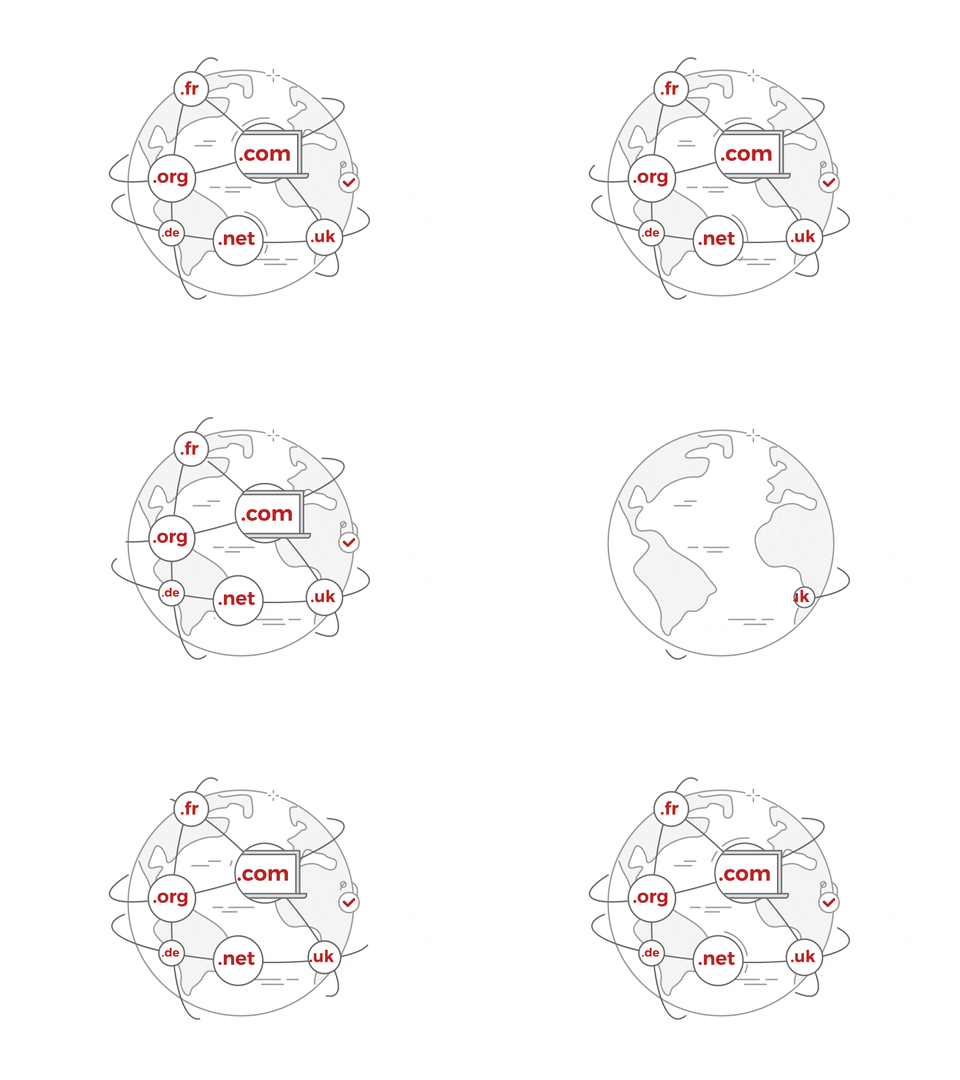
A domain name is like having a home address. Having a good domain name helps increase site traffic. For creating a portfolio website, choosing a domain name with your name and last name is highly recommended.
While these web hosting platforms allow one to create a free website, the only catch here is that when you make a website with a domain name, the host website has its name at the end of the URL.
An individual can always upgrade their plan and shift to a custom domain along their journey of running a website. Hence an individual should not be hesitant while creating a website.
Navigation

Appropriate site plan navigation allows visitors to easily browse or find things on your website. One can design a site plan using ready-made templates available through the selected website hosting platform.
A portfolio, blog, about, and contact information page must be included when designing a site plan for your website. Make sure that users can find and view this page with one click.
Landing Page

Your first impression is the last! Dress to impress!
One should memorize these words thoroughly when creating a landing page. A landing page or homepage is the first page when a visitor clicks on your website.
It should be interactive and invite the users into your world. Adding a link to their active social media platforms on the landing page is highly recommended.
Incorporate these things by making appropriate call-to-action buttons like social media icons where your social media handles like LinkedIn, Twitter, or any other platforms can be linked.
Portfolio

Time to shine!
A portfolio page is an evidence of who you are; based on that, website visitors will judge you. You should provide visitors with your most relevant and recent work on the page.
Your work should have a featured image and a small excerpt describing the story behind it.
Incorporating Accessibility
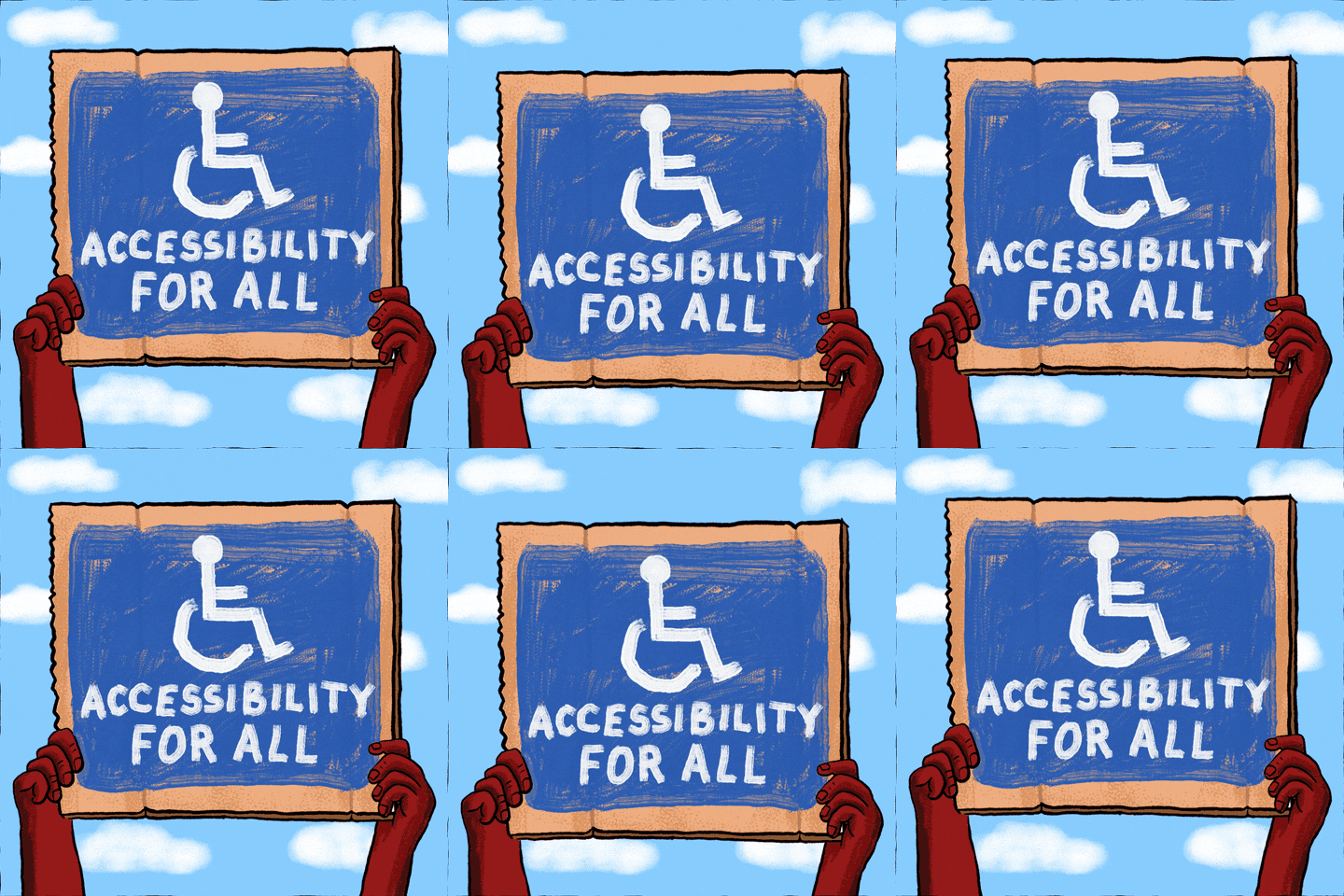
Accessibility is essential to make any website easier to navigate for all individuals, like the visually impaired.
Using suitable font size, differentiating headings and subheadings from paragraphs, and adding alt-text to images are some elements that should be incorporated when designing a website.
Spread the Word

The last and final step is to make your website public. The best way to promote your portfolio is by adding the website’s URL link on their social media platforms.
Individuals seeking jobs or attracting potential employers should attach the website URL to their LinkedIn profile.
With that said, go out, choose a web hosting platform, select an appropriate domain name, and create an awesome portfolio website where you can show off your talent. You can also check out some inspiring templates online to get a great start.
 MALAV CONTRACTOR